

$1.4 trillion
Health

$0.2 trillion
Education
$0.8 trillion
Partnership
Breaking this down at a household level, the vast majority of this problem effects low income family in the form of poor health, lack of opportunity and safety. On average the impact cost is $3,000 per household per year.
Impact Novelty Centered Business Model
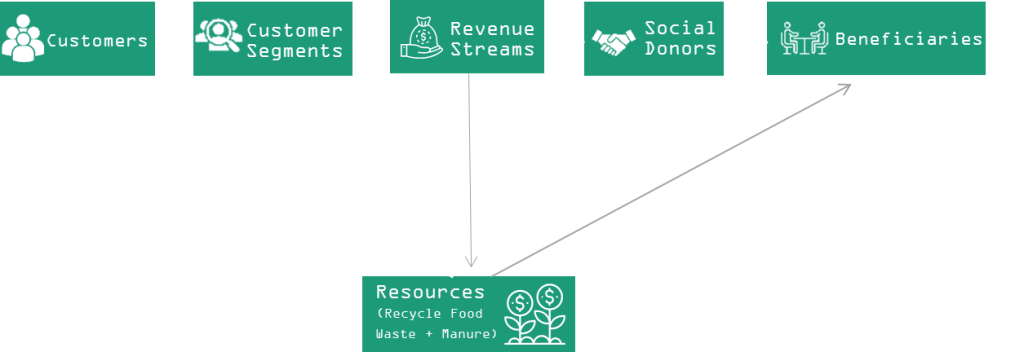
Our unique Business Model is the strategic core of how we solve food waste problems . Through creating scalable partnership between DBS Foundation and us, our business model enables us to offer high quality, low cost disinfectants to Indonesia markets at scale. With each product automatically validating carbon credits up to 15 years, we decreases upfront costs for consumers, which further increases sales and credit revenue.
Our Impact Dashboard
Data is central to what we do. We tracks all impact that we achieve in our central Impact Dashboard including customer name, outputs, customer map adress and 10 different impact outcomes. If you would like a demo please complete the contact form at the bottom of the website to get in touch. Some of the impacts we track on our existing units include :
 7,215 Units Product Sold |  11,555,174 Kg Million kgs of organic fertilizer |  320 Metric Tons GHGs Reduction |
 17,112,398 Kg Food Waste Collected |  131 Beneficiaries |  11,523,753 Time given back to low income family |

SDG 1: No poverty
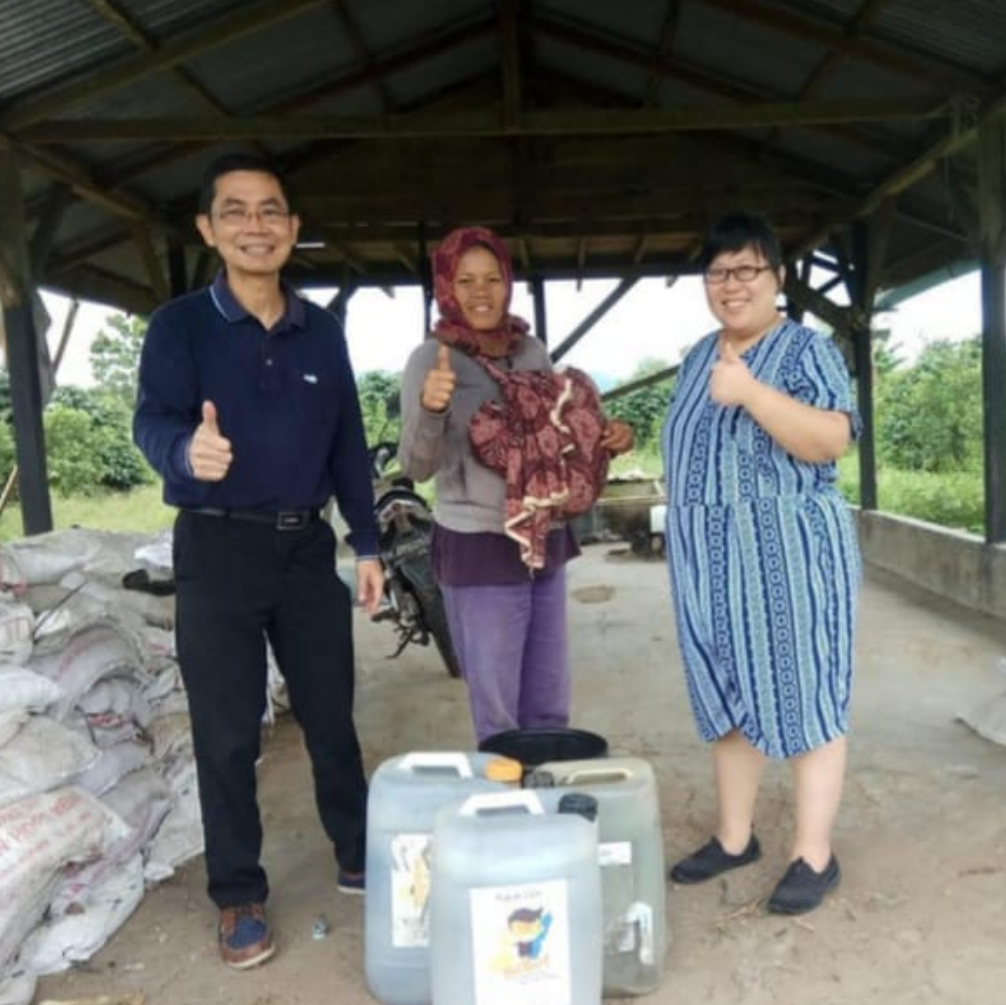
Low income family increase their revenue and decrease their expenses with our Product.
SDG 3: Good health and well-being
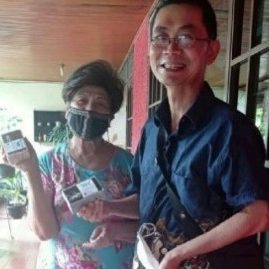
100% natural eco frendly quality product and enabling, women and children, elderly people better health leading to increased productivity and well being.
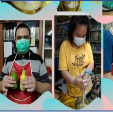
SDG 4: Reduced inequalities
Each Product was made by the individuals with special needs to provide equal opportunity for all.
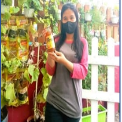
SDG 13: Climate Action
Each product reduce between 5-10 tons of emission over the product lifetime as well as reducing deforestation
AWARDS


JOIN US IN SOLVING FOOD WASTE PROBLEMS